Farm Sweet Farm SVG: A Designer’s Practical Review
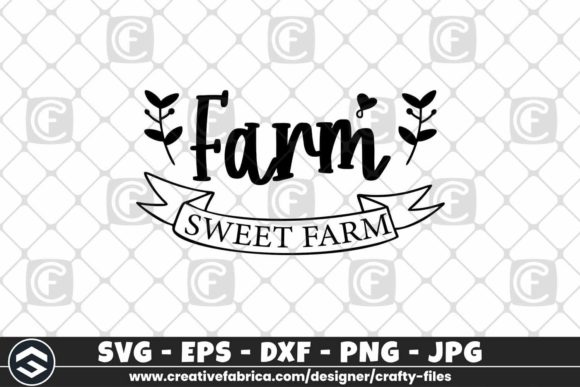
When I first pulled up the Farm Sweet Farm SVG, Farmhouse, Farm SVG file on my screen, my immediate reaction was one of quiet appreciation for its simplicity. In the world of digital design assets, especially within the Crafts and Graphics categories, it is easy to get lost in overly complex vectors that look stunning on a monitor but translate poorly to thread. This design, however, feels grounded. It carries the rustic, welcoming mood that defines the modern farmhouse aesthetic without relying on cluttered details that would nightmare an embroidery machine operator.
First Impressions and Visual Personality
The layout of this design suggests a balance between typographic charm and illustrative warmth. The phrase itself evokes a sense of home, country living, and hospitality. Visually, the shapes appear clean, with defined edges that are crucial for maintaining stitch clarity. As an experienced designer, I look for lines that will hold their integrity when converted from vector paths to satin stitch or fill stitch patterns. The visual personality here is friendly and approachable, making it a natural fit for home decor items like kitchen towels, welcome signs, or pillow covers.
What stands out is the potential versatility. It does not scream for attention with aggressive boldness; rather, it invites the viewer in. This subtlety is a strength for boutique branding and small shop products where the goal is to create a cozy, curated feel rather than a loud statement.
Real-World Application: The Custom Tote Bag Scenario
To truly evaluate a machine embroidery design, I mentally place it into a real-life production scenario. Imagine a client requesting a set of reusable grocery bags for a local farmers' market vendor. They want something durable, stylish, and reflective of their brand’s organic, local ethos. The Farm Sweet Farm SVG, Farmhouse, Farm SVG becomes the centerpiece of this tote bag design.
In this context, the design performs well because it allows for creative interpretation. If I were digitizing this for a standard 5x7 hoop size, I would likely opt for a combination of running stitch for finer details and satin stitch for the bolder elements to ensure durability against frequent washing. The rustic theme aligns perfectly with canvas or heavy cotton fabrics, which are common choices for tote bags. The customer reaction would likely be positive, seeing the embroidered patch not just as decoration, but as a mark of quality and thoughtful craftsmanship.
Performance Across Different Embroidery Projects
Beyond tote bags, this graphic has significant potential across various custom apparel and home goods. For sweatshirt embroidery, the design could serve as a chest logo or a larger back print, depending on the scale. On a baby item, such as a onesie or burp cloth, the soft, welcoming message fits the nursery decor trend, provided the stitch density is adjusted to remain soft against sensitive skin.
For Etsy sellers and craft business owners, this type of design asset is valuable because it appeals to a broad demographic. It works for holiday embroidery gifts, particularly around Thanksgiving or housewarming seasons. It also translates well to embroidered patches, which can be applied to caps, hats, or denim jackets. The key is recognizing that while the SVG provides the shape, the final product’s success depends on how well the embroidery file is optimized for the specific fabric texture and garment type.
Technical Considerations and Where to Use Caution
While the design is versatile, there are areas where caution is necessary. Small hoop sizes, such as 4x4, may require simplifying the design if it contains intricate lettering or tiny decorative accents. Tiny lettering often suffers from thread buildup, leading to poor readability after stitching. Therefore, inspecting small details before finalizing the digitization is critical.
Textured fabrics present another challenge. If you are stitching on a waffle-weave tea towel or a thick terrycloth, the fine lines of the design might get lost. In such cases, increasing the stitch width or using a contrasting thread color can help maintain visibility. Similarly, on stretchy fabrics like jersey knits used in t-shirts, proper stabilizer usage is non-negotiable to prevent puckering. Dark fabrics require careful selection of thread colors to ensure the design pops; a test run on scrap fabric is always advisable to check contrast and stitch density.
Curved surfaces, such as caps, demand extra attention to placement and hooping technique. The design should be centered carefully to avoid distortion. Additionally, dense stitch areas can make garments stiff and uncomfortable, so balancing fill stitch regions with open space is essential for wearable custom apparel.
Impact on Brand Consistency and Customer Trust
For handmade product creators, consistency is key to building brand recognition. Using a cohesive design style like the one found in Farm Sweet Farm SVG, Farmhouse, Farm SVG helps establish a recognizable aesthetic. When customers see a well-executed embroidered item, it builds trust in the maker’s skill. A sloppy stitch-out due to poor digitization can damage a reputation, whereas a clean, crisp finish enhances the perceived value of the finished product.
This design supports professionalism by offering a clean canvas for high-quality execution. It allows the maker to showcase their technical skills through thread choice and fabric selection. Whether used for printable mockups to preview products online or as the actual digital embroidery file for production, the clarity of the source graphic aids in creating appealing marketing materials that drive buyer engagement.
Practical Notes for Designers and Makers
- Test Before Production: Always stitch out the design on scrap fabric similar to your final material. This helps identify issues with pull compensation or thread breaks.
- Check Thread Contrast: Ensure your thread colors stand out against the fabric background. Test in black and white mockups to verify shape clarity.
- Review Stitch Density: Adjust density based on the fabric weight. Lighter fabrics need less density to prevent distortion.
- Confirm Hoop Size: Verify that the design fits comfortably within your machine’s hoop size, leaving room for stabilization.
- Licensing Verification: Before selling finished items or digital products, confirm the license terms associated with the graphics. Ensure it allows for commercial embroidery projects if you plan to sell the physical goods.
- Stabilizer Selection: Use the appropriate stabilizer for the fabric type. Cut-away for stretchy knits, tear-away for stable wovens.
In conclusion, the Farm Sweet Farm SVG, Farmhouse, Farm SVG is a solid choice for designers looking to add a touch of rustic charm to their portfolio. It requires thoughtful digitization and material selection to shine, but its inherent simplicity makes it a reliable asset for a wide range of embroidery projects. By respecting the technical limitations of embroidery machines and focusing on quality execution, makers can turn this digital file into a beloved handmade product that resonates with customers seeking warmth and authenticity in their home decor and apparel.