Little Monster: A Designer’s Review for Halloween Embroidery
As an embroidery designer who has spent countless hours digitizing and testing files, I approach every new asset with a critical eye. We all know the frustration of downloading a digital embroidery file that looks perfect in the preview but turns into a tangled mess on the hoop. That is why I took a close look at Little Monster, not just as a graphic, but as a potential centerpiece for real-world embroidery projects. This isn’t just about cute shapes; it is about how a design holds up under the needle, how it translates to fabric, and whether it adds genuine value to your craft business.
First Impressions and Visual Personality
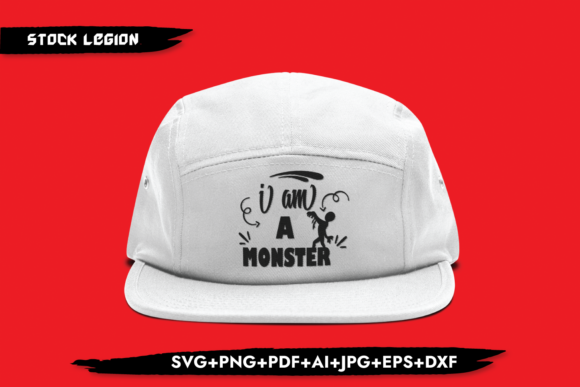
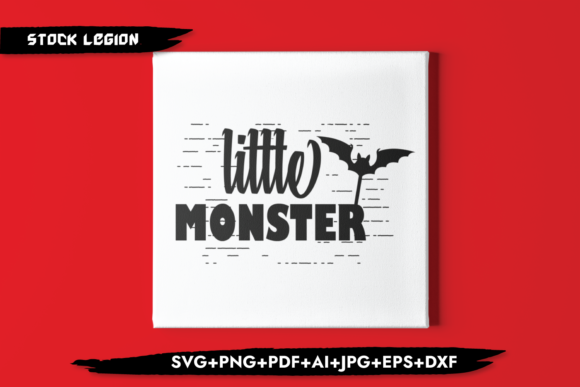
When I first opened the ZIP file for Little Monster, my immediate observation was the cleanliness of the lines. The product description highlights that these are smooth, professional files tested at the highest quality, and visually, this checks out. The design carries a playful yet spooky Halloween vibe without relying on overly complex details that often cause stitching issues. For those of us working in Crafts and Graphics, we know that simplicity often translates better to thread than complexity does.
The mood here is approachable. It is not terrifying; it is charming. This makes it versatile. While it is labeled as a Halloween Quote Design, the visual weight suggests it could easily bridge the gap between seasonal decor and year-round whimsical apparel if styled correctly. The 6x6 inch dimension at 300 dpi provides a solid foundation for scaling, but as embroiderers, we must think beyond pixels. We need to think about stitch paths, density, and fabric interaction.
Real-World Application: The Tote Bag Test
To evaluate Little Monster practically, I imagined a specific scenario: a custom order for a local boutique needing a run of twenty canvas tote bag designs for their October promotion. Canvas is a forgiving fabric, but it requires precise digitizing to prevent puckering. If I were using this design for such a project, I would likely convert or adapt the SVG concepts into a true machine embroidery design format compatible with my specific machine.
In this context, the bold shapes of the monster would stand out beautifully against a natural or black canvas. The lack of excessive fine detail means fewer thread breaks and faster production times. For an Etsy seller or small shop owner, speed and reliability are currency. A design that stitches out cleanly on the first try saves money on wasted stabilizer and thread. If this design maintains its integrity when scaled down for a smaller item or up for a large wall hanging, it becomes a high-value asset for any small shop product line.
Fabric Considerations and Stitching Challenges
While Little Monster appears robust, there are areas where caution is necessary. If you plan to use this on stretchy fabrics like jersey for a sweatshirt embroidery project or custom apparel, you must pay attention to the edges. Smooth curves can sometimes pull if the stitch density is too high or if the wrong stabilizer is used. I recommend using a cut-away stabilizer for garments that will be washed frequently to ensure the design remains flat and does not distort over time.
For textured fabrics, such as terry cloth towels or fuzzy fleece blankets, the finer elements of the quote or monster features might get lost. In these cases, consider using an applique design technique. You could use the SVG as a cut guide for fabric pieces, then satin stitch around the edges. This adds texture and ensures visibility on difficult surfaces. Always test the design on scrap fabric first. Check how the thread colors contrast with your base material. A dark green monster on a black shirt will vanish, whereas the same design on heather gray will pop.
Commercial Viability and Brand Consistency
For commercial embroidery professionals, consistency is key. Your clients expect the same quality every time. Little Monster offers a consistent aesthetic that can help build brand recognition. If you specialize in holiday gifts, having a cohesive set of designs that share this clean, professional look helps customers trust your handmade product quality. It signals that you care about the technical execution, not just the concept.
However, before selling any finished product or including this in a digital bundle, you must verify the licensing terms. The product description mentions it includes cut files, but it does not explicitly state commercial embroidery rights. Never assume. Contact the creator or check the included license file to confirm if you can sell physical items made with this design. This step is crucial for maintaining professionalism and avoiding legal issues down the road.
Practical Designer Notes for Best Results
If you decide to incorporate Little Monster into your workflow, keep these technical tips in mind:
- Hoop Size Selection: Ensure your hoop is large enough to accommodate the design with adequate margin. A 6x6 design fits comfortably in an 8x8 hoop, giving you room for stabilization.
- Stitch Type Adaptation: If converting from SVG to embroidery, use fill stitch for larger body areas to reduce bulk, and satin stitch for borders to create crisp edges. Avoid long running stitch lines on unstable fabrics.
- Color Testing: Create mockups in both light and dark backgrounds. Sometimes a design looks great in color but loses definition in monochrome. Test it in black and white to ensure the shape remains recognizable.
- Density Check: If the design feels stiff after stitching, reduce the fill density. High density can make garments uncomfortable to wear, especially for baby embroidery items where softness is paramount.
- Curved Surfaces: If applying this to caps or curved pillows, use a cap frame and consider splitting the design if it exceeds the flat area of the hoop. Distortion on curved surfaces can ruin the symmetry of the monster’s face.
Final Verdict for Makers and Sellers
Little Monster is a strong contender for your Halloween inventory. It balances charm with technical simplicity, making it suitable for both novice hobbyists and experienced embroidery designers. Its strength lies in its versatility; it works well on apron pockets, pillow covers, and even as a decorative element on personalized gift tags. By respecting the material constraints and verifying licensing, you can turn this digital asset into a profitable part of your design assets library. Remember, the best designs are those that stitch out as beautifully as they look on screen, and Little Monster has the potential to do just that with proper preparation.