Reviewing the Sanderson Bed Breakfast SVG for Embroidery
As a designer who spends more time staring at stitch simulations than I do sleeping, I have learned that not every digital file translates well to thread. We see thousands of design assets cross our desks, but only a handful survive the transition from screen to fabric. Recently, I pulled up the Sanderson Bed Breakfast SVG to evaluate its potential for a upcoming autumn collection. This isn’t just another spooky graphic; it is a piece that carries a specific mood, and understanding how to execute it properly is key to creating a high-value handmade product.
The first impression of this design is its narrative strength. It doesn’t scream "Halloween" with generic bats and cobwebs. Instead, it leans into a whimsical, almost cinematic vibe. For an embroidery designer, this is crucial. When you are creating a personalized gift or a boutique item, you want the design to feel curated, not cluttered. The layout suggests a balance between text and graphical elements that requires careful planning. If you rush this into a machine without considering the stitch density and flow, you risk losing the charm that makes the original vector appealing.
Visual Personality and Project Fit
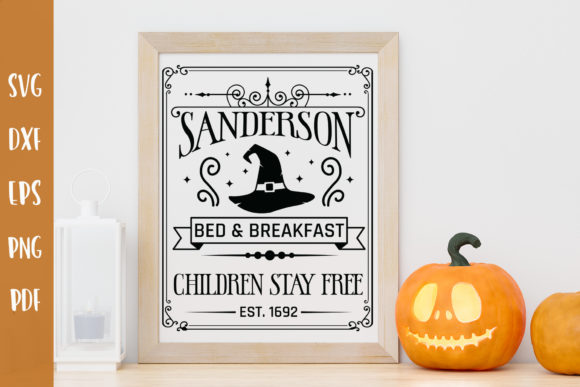
The Sanderson Bed Breakfast SVG features a quote-centric theme that naturally lends itself to home goods and apparel. In my assessment, the visual personality is warm yet mischievous. This duality makes it versatile. I immediately envisioned this on a heavy-weight cotton tote bag. A tote bag design benefits from bold, clear lines, and this graphic has the structural integrity to hold up against the texture of canvas. However, because it is originally marketed for signs and vinyl decals via Cricut or Silhouette, we have to adapt our mindset. Vinyl cuts cleanly; thread builds up.
For those running a craft business or operating as an Etsy seller, the appeal here is the seasonal longevity. While it fits the Halloween window, the "bed and breakfast" motif gives it a cozy, hospitality-focused angle that can extend into general fall decor. Imagine this stitched onto a kitchen towel or an apron for a hostess gift. It moves beyond simple holiday decoration into the realm of lifestyle branding. That is where the real value lies for small shop owners. You are not just selling a spooky image; you are selling a feeling of autumnal comfort.
Real-World Application: The Sweatshirt Test
To truly test a design, I always simulate it on a curved, textured surface. Let’s consider sweatshirt embroidery. This is a high-demand category for custom apparel. Placing the Sanderson Bed Breakfast SVG on the chest of a crewneck requires precision. The design’s complexity means you must pay close attention to the thread colors. If you choose threads that are too similar in tone, the details will vanish into the fleece. Conversely, high-contrast choices can make the text pop, but may look harsh if the stitch types are not optimized.
I recommend using a combination of fill stitch for the larger graphical backgrounds and satin stitch for the lettering, provided the text is not too small. Satin stitches offer a sheen that contrasts beautifully with the matte finish of cotton or polyester blends. However, if the quote includes fine serifs or tiny decorative flourishes, you might need to convert those areas to a running stitch or a lightweight fill to prevent puckering. This is where the difference between a amateur embroidery project and a professional finished product becomes apparent. Customers notice when a design looks stiff or distorted.
Navigating Technical Challenges
There are specific scenarios where you should use caution with this design. Because it originates as an SVG intended for cutting machines, the line weights may be uniform. In embroidery, uniform line weights can be disastrous. Thick lines on small items, such as baby embroidery projects or caps, can create bulky, uncomfortable patches. If you are adapting this for a embroidered patch, ensure you reduce the overall scale and simplify any internal details that cannot be resolved by the needle.
Curved surfaces like baseball caps present another challenge. The Sanderson Bed Breakfast SVG likely has a horizontal orientation. Stitching this on a cap requires careful hooping and possibly splitting the design if it exceeds the standard hoop size limitations of your machine. Always check the dimensions before digitizing. Furthermore, textured fabrics like terry cloth or ribbed knits can distort fine details. On these materials, a heavier stabilizer is non-negotiable. Without proper support, the fabric will pull away from the stitches, ruining the clarity of the quote.
Dark fabrics also require strategic thinking. If you are stitching on black or navy, you cannot rely on the background color to define edges. You may need to add a border or use underlay stitches effectively to create a clean foundation. This is particularly important for maintaining brand consistency and professionalism. A sloppy edge on a dark garment looks far worse than on a light one.
Enhancing Product Value and Customer Trust
Why does this matter for your bottom line? Because execution drives trust. When a customer receives a custom apparel item with crisp, well-balanced stitching, they perceive higher value. The Sanderson Bed Breakfast SVG, when executed correctly, enhances the perceived quality of the item. It shows that the maker understands both the artistic and technical sides of production. This leads to better reviews, repeat buyers, and stronger buyer engagement on platforms like Etsy.
For digital product sellers, offering this as a pre-digitized machine embroidery design can be a strong addition to your catalog. However, you must be transparent about the file types and compatibility. Since the source is an SVG, buyers will expect versatility. Clarify whether you are providing the vector for cutting or the embroidered file for stitching. Mixing these up causes customer frustration. If you are selling the digital embroidery file, include a printable mockup that shows the design on various fabrics. This helps hobbyists visualize the end result and reduces hesitation in purchasing.
Practical Designer Notes for Success
Before you commit to a full production run or list this in your shop, follow these practical steps:
- Test on scrap fabric: Never stitch directly on your final garment. Use the same material and weight to check for puckering or thread breaks.
- Check thread contrast: View your design in grayscale. If the elements blend together, adjust your color palette.
- Review stitch density: High density can cause fabric distortion. Reduce density if stitching on lightweight or stretchy materials.
- Confirm hoop size: Ensure the design fits within your machine’s maximum area, especially for larger items like pillow covers or blankets.
- Inspect small details: Zoom in on the digitized file. Are there tiny jumps or unnecessary trims? Clean up the pathing for efficiency.
- Verify licensing: The product description mentions use for signs and crafts. Always confirm if commercial use is permitted for physical goods versus digital resale. Do not assume rights; read the terms.
In conclusion, the Sanderson Bed Breakfast SVG is a promising asset for the right creator. It bridges the gap between seasonal novelty and timeless cozy aesthetics. By respecting the technical requirements of embroidery—choosing the right stabilizer, optimizing stitch types, and selecting appropriate fabrics—you can transform this graphic into a standout piece. Whether you are decorating a holiday embroidery gift or building inventory for a small shop product, let the quality of your stitching speak as loudly as the design itself. Take the time to refine the details, and your customers will feel the difference in every thread.