Reviewing Little Miss Spooky for Real Embroidery Use
As a designer who spends half my life staring at digitized files and the other half pulling thread jams out of a machine, I have learned to be skeptical of cute seasonal graphics. We all know the drill: a design looks adorable on a screen but turns into a tangled mess of bird’s nests once it hits the fabric. When I first pulled up Little Miss Spooky, I wasn’t just looking for a Halloween decoration; I was looking for a viable asset for my upcoming autumn craft fair lineup. The promise of "awesome Halloween quote design cut files" caught my eye, but as an embroidery specialist, I needed to know if this digital asset could translate into a high-quality stitched product.
First Impressions and Visual Personality
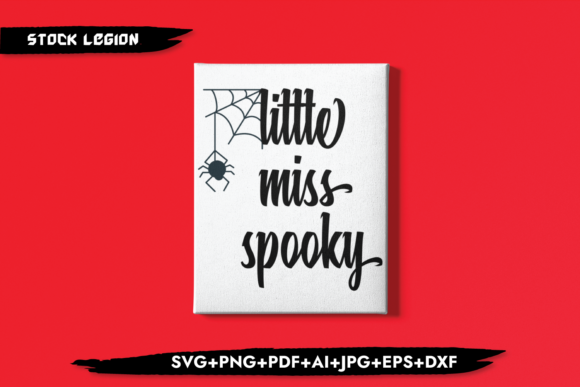
The immediate vibe of Little Miss Spooky is playful rather than terrifying. It captures that modern, whimsical side of Halloween that appeals to a broad demographic, from young adults to parents looking for non-scary holiday decor. The layout appears balanced, with a clear hierarchy between the text and any accompanying graphical elements. For those of us working in Crafts and Graphics, we know that balance is everything. If the text is too thin, it vanishes in the stitch; if it’s too bold, it becomes stiff and cardboard-like.
This design feels like it belongs on soft, cozy items. It doesn’t scream for attention with aggressive details but rather invites a closer look. The mood is lighthearted, which makes it incredibly versatile. It isn’t just for spooky season decorations; it has the potential to become a staple in a boutique’s seasonal rotation if executed correctly.
Real-World Application: The Tote Bag Test
To truly evaluate a design, you have to imagine it on a physical product. I visualized Little Miss Spooky centered on a natural canvas tote bag design. Canvas is unforgiving; it shows every gap in coverage and every uneven stitch. Because the product description mentions these are smooth, professional files tested at high quality, I assumed the digitizing would account for fabric pull.
In this scenario, the design would serve as a standout piece for a small shop product or an Etsy seller looking to refresh their inventory. The 6x6 inch dimension mentioned in the file details is a sweet spot. It is large enough to be readable from a distance but small enough to fit comfortably on standard home embroidery hoops without requiring massive industrial frames. This size is perfect for a personalized gift or a quick handmade product that can be produced in batches.
Beyond Bags: Apparel and Home Decor
While tote bags are a safe bet, I also considered how this would look as sweatshirt embroidery. A crewneck sweatshirt in heather grey or deep orange would provide excellent contrast. However, stitching on knit fabrics requires caution. The stitch density must be managed carefully to prevent the garment from puckering. If the file relies heavily on dense fill stitch areas, it might weigh down a lightweight tee, but it would sit beautifully on a heavier fleece.
For home decor, imagine this stitched onto a linen pillow cover or a waffle-weave kitchen towel. The texture of linen interacts differently with thread than cotton does. A design like Little Miss Spooky needs clean edges to stand out against the slubbed texture of linen. If the digitizing uses too many running stitch outlines without proper underlay, the design might get lost in the fabric’s natural irregularities.
Technical Considerations for Stitchers
Before loading this into your machine, there are critical technical checks to perform. The product description notes that the ZIP file contains smooth, professional files at 300 dpi. While DPI is a print metric, in the context of digital embroidery file packages, it often refers to the preview images or included PNGs for mockups. For the actual embroidery work, you need to verify the stitch file format compatible with your machine.
Stabilizer choice is non-negotiable. For a design of this nature, likely featuring both text and graphical elements, a medium-weight cut-away stabilizer is usually safest for apparel, while tear-away might suffice for stable woven fabrics like tote bags. Always test on scrap fabric first. Check how the thread colors interact. Halloween palettes can easily become muddy if you choose low-contrast combinations. Black thread on navy fabric, for example, will render the design invisible.
Navigating Fabric Challenges
Where should you use Little Miss Spooky with caution? Avoid highly textured fabrics like thick bouclé or loose knits unless you are using a topping stabilizer. The fine details of the quote might sink into the pile. Also, be wary of stretchy fabrics if the design has large solid areas. Without proper stabilization and perhaps a lighter satin stitch border, the fabric may distort during washing.
If you are planning to use this on dark fabric, ensure your digitizing includes appropriate underlay stitches to prevent the background color from peeking through the top stitches. This is a common issue with commercial embroidery projects where speed is prioritized over quality. Since this file is marketed as high-quality, it should handle these transitions well, but a test stitch is always wise.
Commercial Viability and Brand Value
For creative entrepreneurs and craft business owners, the value of a design lies in its ability to sell. Little Miss Spooky has strong commercial potential because it taps into the evergreen market for holiday-specific design assets. It is not overly niche, meaning it can appeal to a wide audience. Using this in your custom apparel line or as part of a bundled embroidered patch collection can increase average order value.
However, professionalism is key. A poorly stitched version of a cute design can damage buyer trust. Ensure that your finished product looks crisp. Use high-quality threads that resist fading, especially since Halloween items are often stored for a year before being used again. A printable mockup using the included high-resolution images can help you market the item online before you even stitch a single thread, saving time and materials.
Final Verdict for Designers
Little Miss Spooky is a promising addition to your library of seasonal graphics. It balances charm with simplicity, making it suitable for various embroidery project types. Whether you are creating baby embroidery for a festive onesie or holiday embroidery for adult apparel, the design’s structure seems robust enough to handle real-world production.
Remember to check the specific license terms included in the ZIP file. Some designers allow unlimited sales of physical items, while others have restrictions on digital resale. Assuming the license permits commercial use of finished goods, this design is a solid investment for your autumn catalog. Just keep your hoop size in mind, respect the fabric limitations, and let the quality of your stitching do the talking. Happy stitching!